Hello Dear Reader,
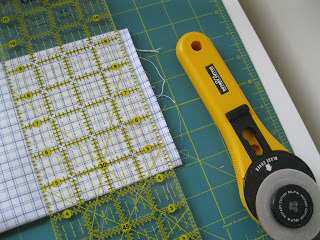
Lots of photos and a ‘how to’ tutorial. As you may or may not know, I haven’t got a lot of spare money but I love to quilt, which can be expensive. You can buy bigger boards and cutters but I get by with a 14″ X 4″ ruler a cutting board and a rotary cutter. I bought one which could take a replacement blade. These will last me for year. You will need a flat surface such as a kitchen table or work top.
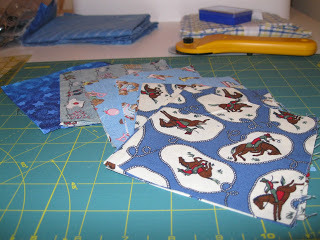
I buy men’s cotton shirts from charity shops and then tell everyone that I make quilts from recycled fabrics and people for all four corners of the UK send me fabric. I use duvet covers or sheets for backing but I do buy good quality batting/wadding. I have a whole collection of shirts. I even use white shirts to have contrasting stripes or squares. I’ll show you how to make jelly rolls. A jelly roll is a 2.5″ wide strip, which are commercially sold at 40″ long. This is home made, like home made cake, it isn’t like the stuff in the shops. It won’t be perfect.
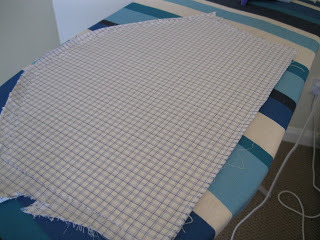
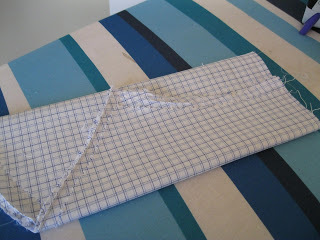
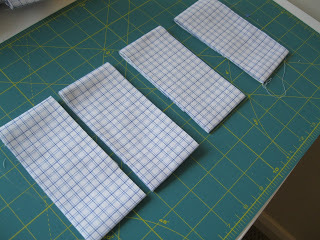
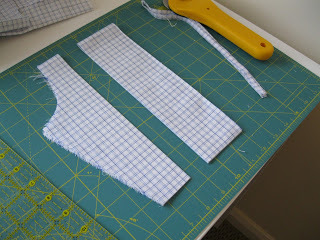
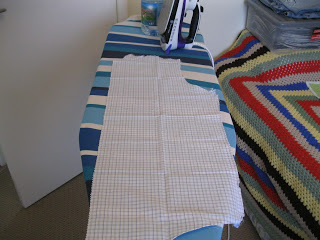
You will have two sleeves, which I put one on top of the other and iron. I then fold them over to make them easy to slice.
Take to your cutting mat and trim off the scraggy ends. Now get onto your number bonds or number patterns. I now think in blocks and add on a quarter of an inch at either side to allow seamage. A 2.5″ strip will sew down to be 2″ wide.
I also see numbers in patterns of 2.5. I work right to left because I’m right handed. I start at 15 and work back and lay my ruler at 12.5, next time at 10, then 7.5………………
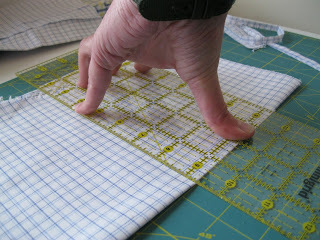
I hold down the top and bottom with my fingers spread wide and press hard, I keep my fingers well back as I could jump with the blade and cut my arm off!
I end up with 2.5″ wide strips.
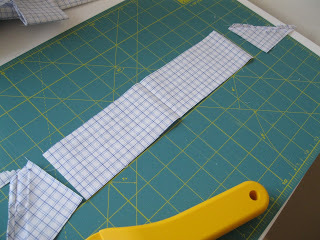
I open them up and cut off the uneven ends.
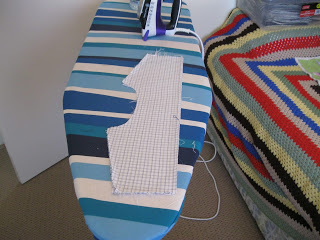
I do the same with the two shoulder pieces.
It seems like a lot of wastage, but these bits will go into my rag bags and be used in other projects, or as part of this one.
Now the fronts of the shirts. Again, there are two, so lay one on top of the other. Iron carefully.
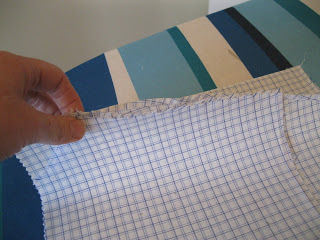
Fold to make the cutting easier.
Trim off the scraggy ends.
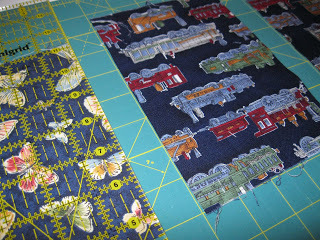
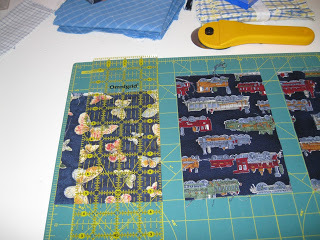
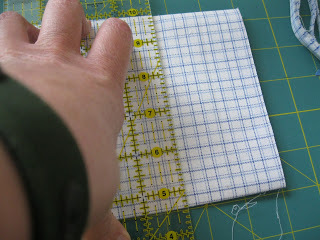
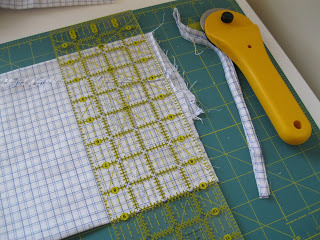
Here you can see me holding the ruler firmly, making sure I stay on the right mark at the top and bottom; these gridded cutting boards are so easy to work on.
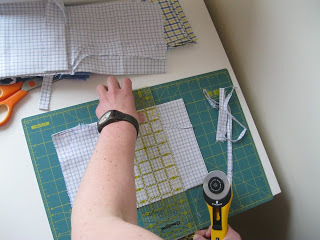
Here’s an ‘ariel’ shot showing how I line up the ruler with the boars.
Here you can see the force I’m exerting to keep the ruler firmly in place.
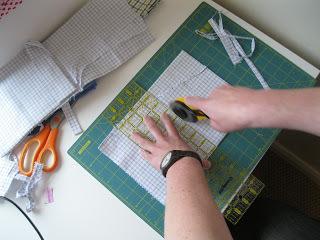
Another shot to see what that looks like.
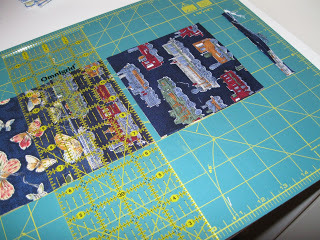
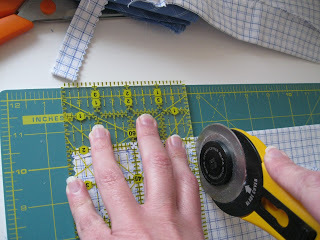
Here you can see me lining up to a mid point marking. I make sure I keep the fabric in the same position.
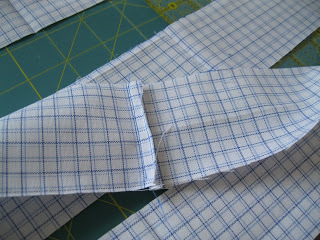
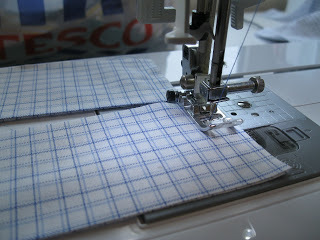
I try and keep the lengths similar, so I join some.
I’ll have a pile of strips, right sides together on my lap ready to feed into the machine.
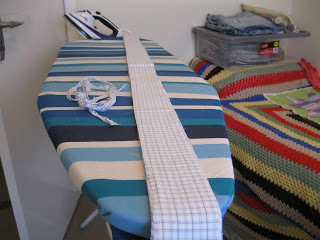
I’ll then have a shirt full of strips of the same width and similar lengths.
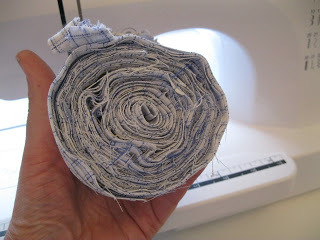
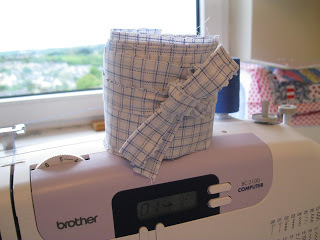
Here’s one shirt, in a jelly roll. I bought this shirt for 50p in a charity shop. It’s not worn, a few marks but I can live with those.
One home made jelly roll. I’ll keep doing this in readiness for my quilting workshop.
These will not be perfect and there will be tiny variations. I will not have cut every seam straight but it doesn’t really matter. I quite like to sit and unpick a shirt whilst watching a film, I could do it on the train or whilst DB is driving us to work. Even if I paid the full £2 that most of my local charity shops charge for a man’s shirt it is still a fraction of the price of buying material by the metre/yard and ready cut jelly rolls can cut up to £29 (for flashy and lovely Moda). I don’t mind a bit of work if it means I can save clothing from landfill and make lovely gifts for friends and family for a fraction of the price.
Until tomorrow,
Love Froogs