Hello Dear Reader,
When I left home, I had a few cookery skills. I could peel and prep veggies, I could grill meat, make basic cakes but I’m wasn’t and I’m not a gourmet. I worked in catering as a waitress, a cook, washed up, and even ran a pub. I learned along the way to cost food, break down through basic arithmetic and then applied that simple skills to running a home on a budget. No one taught me, I didn’t wake up with those skills and I still don’t consider myself anything more than a basic home cook.
So, what if you find budgeting, planning, food preparation and general cookery difficult, where do you start? I’m going to remind myself of what that was like because I had to muddle my way through the best I could.
The most basic place to start is to work out how much money you have to spend.
Look at this
Household income - after tax what do you have. That’s your starting figure.
Deduct your outgoings in the following order
1. Mortgage or rent.
2. Gas, electricity, water, home insurance,
3. Any debt repayments
4. Food budget
5. Anything else.
Our grocery budget is £60 a week, that includes toiletries, cleaning products, pet food and all food. That feeds three of us and three dogs. That’ll be high for some families and not enough for others. You’ll have to do your own sums to work out what you have. I know that’s not as easy for everyone but it’s always worth trying.
Once you’ve got your figure, start with very basic menu planning. Here’s some simple ideas, bolognaise and pasta, beef casserole, cottage pie, chicken stew, soup and crusty bread, fish pie, roast lunch, carbonara, pasta salad, sausages, mash, veggies and gravy. All very simple, none need any great skills and any of those recipes can be found just by googling or looking up BBC recipes.
The main meals are the most expensive but there’s still breakfast and lunch. You’ll need to try and get some variety to alleviate boredom so you don’t reach for the takeaway. You don’t need to cook everything and all of us buy ready made pasta, jars of sauce from pasta sauce to curry sauce. I’m happy to use value brands as that fits my budget and I’d encourage you to try them too whether porridge or curry sauce.
You can also find and use some cookery ‘hacks’ or cheats. I buy frozen veg, such as stew pack vegetables, packs of sliced frozen leeks that you can add to casseroles. I buy tinned chickpeas, canelini beans and kidney beans and I add these to veggie stews, curries and casseroles as it bulks out meals with cheap and healthy protein. I also buy casserole sachets that make quick and easy meals such a coq au vin and you just follow the instructions on the back of the pack. Don’t be afraid to use instant mash potatoes, frozen fish, boil in the bag rice, ready made pastry, just add boiling water.custard or cheese sauce. Even if you just have a few hacks or cheats to make your life easier every now and then.
Work day lunches can eat into a budget so here’s a few hints and tips. Look out in poundland and budget stores for durable lunch boxes and containers, I have a cupboard of these but I didn’t buy them all at once. Also, keep a stock of plastic bags, cling film and foil for wrapping and keeping lunches. Every day suppers make great lunches that can be reheated in a microwave such as pasta, stews and mash or soups. There’s the obvious sandwiches and my advice is to get your lunch ready the night before and leave it in the fridge ready to take. When I went to work by train, I would take a small flask of coffee and toast wrapped in foil in my back pack and feel like the other commuters although they’d paid too much for a take out breakfast.
Children’s dsnacks can be planned for too even though it’s not good to encourage anyone to eat between meals. Shop bought snacks are often worryingly high in sugar, fat and salt and there are plenty of alternatives. A pot of chopped carrots, some raisins or chopped fruit are not expensive. Homemade muffins, cheese scones or flapjacks are cheap and easy to make a batch that can be eaten throughout the week. We stick to apples as snacks as both of us eat two a day, mid morning and mid afternoon.
I’ll try and sum it all up. Set a budget. Get together a repertoire of basic recipes. Use hacks and cheats. Create a menu plan of seven main meals per week. Plan breakfasts and snacks. Use leftovers reheated for lunch, make sandwiches the night before, keep some fruit for snacks and take a small flask in your backpack for the commute.
Weekly, stock take your food supplies and don’t buy what you don’t need. Never shop without a list and don’t buy what’s not on the list. Don’t be seduced by offers or stock piling for the sake of it. If there’s any leftovers eat them for lunch the next day or freeze them for ready meals.
Here’s my plan for the week
Turkey chilli and rice - some for next day lunch.
Roast shoulder of pork, roast pork, veggies and gravy - main meals for two days, plus small lunches.
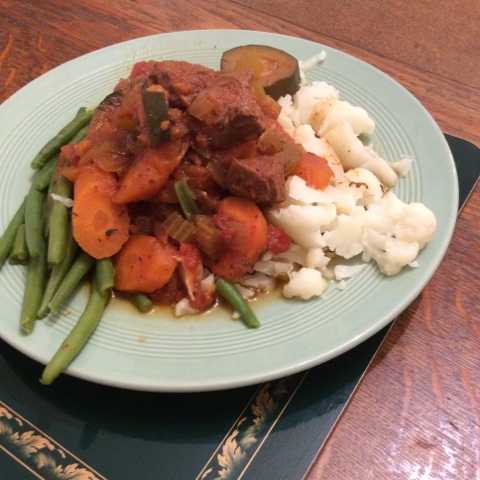
Beef stew, cabbage and carrots
Fish cakes and mixed frozen veg - homemade
Meatballs (frozen from supermarket) with homemade tomato sauce with pasta
Chicken kievs (frozen from supermarket) with mash and veggies.
Breakfast - yoghurt, toast, cereals, fruit.
Lunches - leftovers, sandwiches, soup
Snacks - apples, carrots and sultanas
Have a go, I didn’t get it right the first time and you’ll take time to build up a few skills whether cooking, budgeting or planning but you will get better the more you do it.
Best of luck and let me know how you get on.
Until tomorrow,
Love Froogs xxxxxx